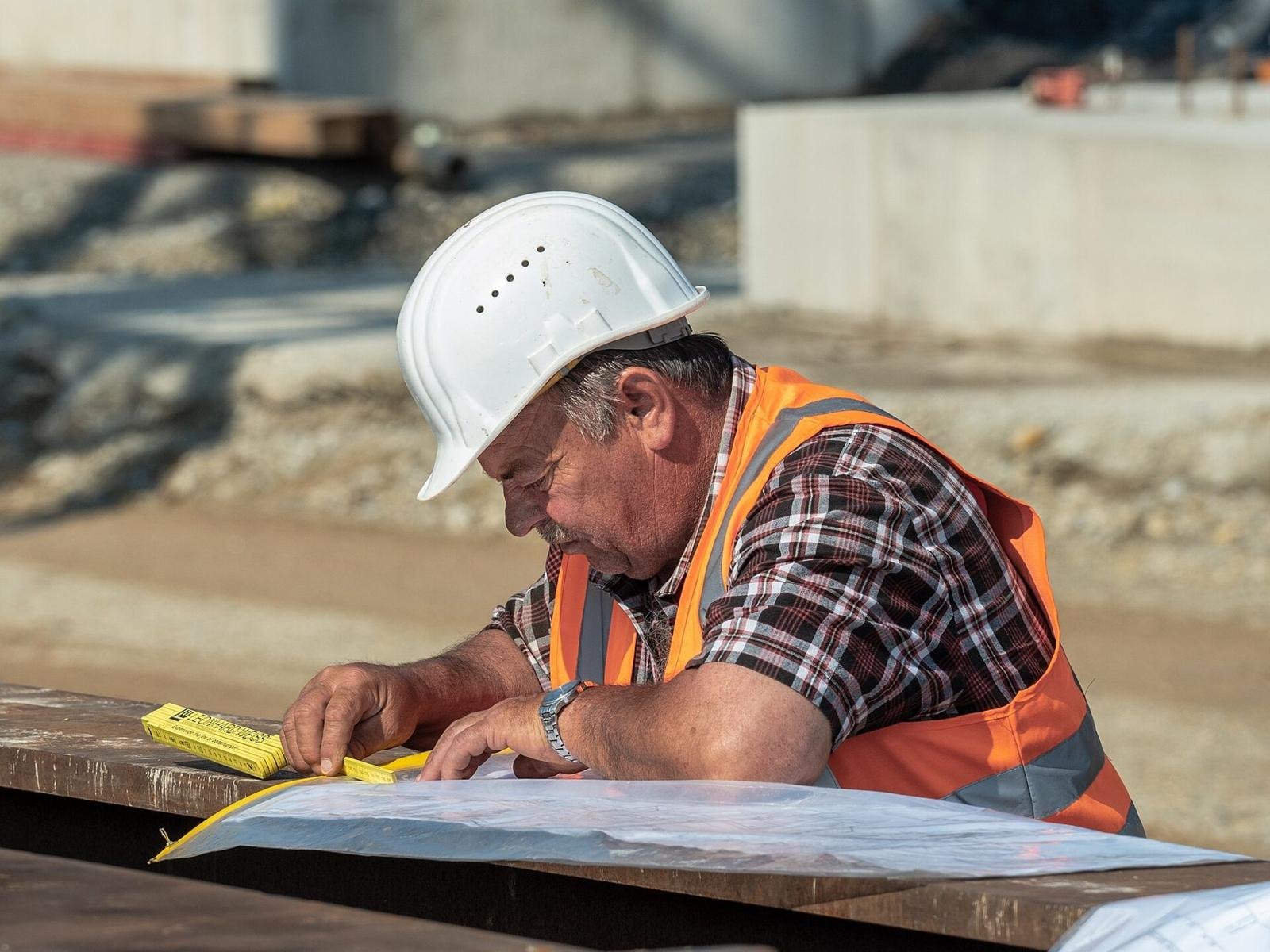
 APIAmerican Petroleum Institute
US association that publishes the main oil & gas equipment standards, e.g. API 5CT (casing and tubing), API 5L (line pipe), API 6A (wellheads), API 6D (pipeline valves) and API 610 (pumps).
Industrial clients need more than a product: they need proof that it meets the specification. COTI organises this proof from the first offer to final delivery.
Items are sourced against the standards named in the specification, such as API, ASME, ASTM, ISO, EN, IEC, ATEX or IECEx, through manufacturers able to certify compliance.
Pre-shipment, dimensional and visual inspection, FAT/SAT, NDT and third-party inspection are coordinated with qualified, independent organisations when required.
Material certificates such as EN 10204 3.1, certificates of conformity, test reports and calibration certificates are collected and checked against the items supplied.
Each item can be linked to its heat number, serial number, certificate and shipment, and compiled into vendor data books when the project requires it.
Every requirement is checked against applicable export-control, sanctions and customs rules before commitment, together with country-of-origin documentation.
COTI works with integrity and protects the drawings, specifications and commercial information shared by its clients and partners.
These standards define how equipment is designed, manufactured, tested and documented. They are references for the items we supply, not certifications held by COTI.
APIAmerican Petroleum InstituteUS association that publishes the main oil & gas equipment standards, e.g. API 5CT (casing and tubing), API 5L (line pipe), API 6A (wellheads), API 6D (pipeline valves) and API 610 (pumps).
 ASMEAmerican Society of Mechanical Engineers
Standards for pressure equipment and piping: Boiler & Pressure Vessel Code, B31.3 (process piping), B16.5 and B16.9 (flanges and fittings).
 ASTMASTM International (American Society for Testing and Materials)
Specifications for materials and test methods, e.g. ASTM A106 (carbon steel pipe) and A105 (forged flanges), which define chemistry and mechanical properties.
 ISOInternational Organization for Standardization
International standards body based in Geneva, e.g. ISO 9001 (quality management) and ISO 15156 (materials for H2S service).
 EN 10204European standard for inspection documents
Defines the types of inspection documents for metallic products. A type 3.1 certificate gives actual test results, validated by the manufacturer’s independent inspection department.
 IECInternational Electrotechnical Commission
International standards for electrical and electronic equipment, e.g. IEC 60079 (explosive atmospheres) and IEC 61131 (programmable controllers).
 ATEXATmosphères EXplosibles (EU Directive 2014/34/EU)
European regulation for equipment used in potentially explosive atmospheres (gas or dust). ATEX-marked equipment may be placed on the EU market for these zones.
 IECExIEC System for Certification to Standards relating to Equipment for use in Explosive Atmospheres
International certification scheme for Ex equipment, based on IEC 60079, recognised in many countries outside the EU.
 NACENational Association of Corrosion Engineers (now AMPP)
Corrosion-control standards; NACE MR0175 / ISO 15156 sets material requirements for equipment exposed to H2S (sour service). NACE merged into AMPP in 2021.
 ANSIAmerican National Standards Institute
Coordinates and approves US national standards. The term “ANSI class” (150, 300, 600…) refers to flange and valve pressure ratings per ASME B16.5.
Logos are trademarks of their respective owners. They are shown only to identify each standard and do not imply certification of, or affiliation with, COTI.
Specialized services are provided and/or coordinated with qualified technical partners according to project requirements.